





Probe into Novel Gold-plated Jewelry
2025-06-04
 3286 513
1. From “Calibration” to “Self-Correction”
In traditional XRF analyzers, calibration means relying on standard samples.
Every material type, energy range, and even geometry must be re-calibrated.
It’s like adjusting a camera’s white balance for different lighting — once the environment changes, the colors shift.
The True FP Algorithm follows a completely different philosophy.
It does not depend on fixed standards; instead, it uses physical equations and mathematical models to perform real-time “self-calibration” during every measurement.
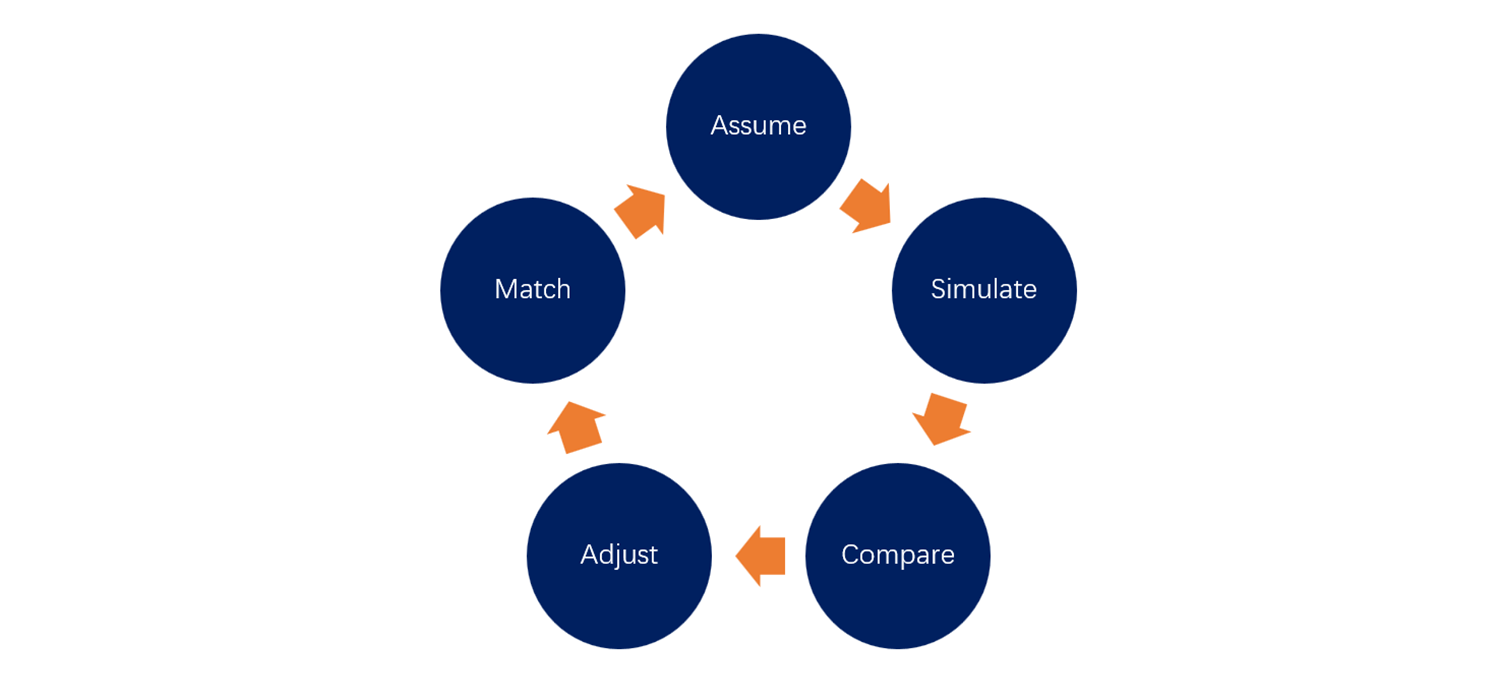
Each measurement follows a closed-loop process:
Assume → Simulate → Compare → Correct → Match
The algorithm keeps testing different parameters, calculating theoretical spectra and comparing them with measured spectra.
When differences appear, it automatically corrects its assumptions — until the two spectra overlap perfectly.
2. From a Mathematical Perspective: A Journey of Iterative Convergence
At its core, the FP Algorithm is about convergence.
Starting from an initial assumption (such as element concentration, layer thickness, or density),
it calculates a theoretical spectrum and compares it with the measured one.
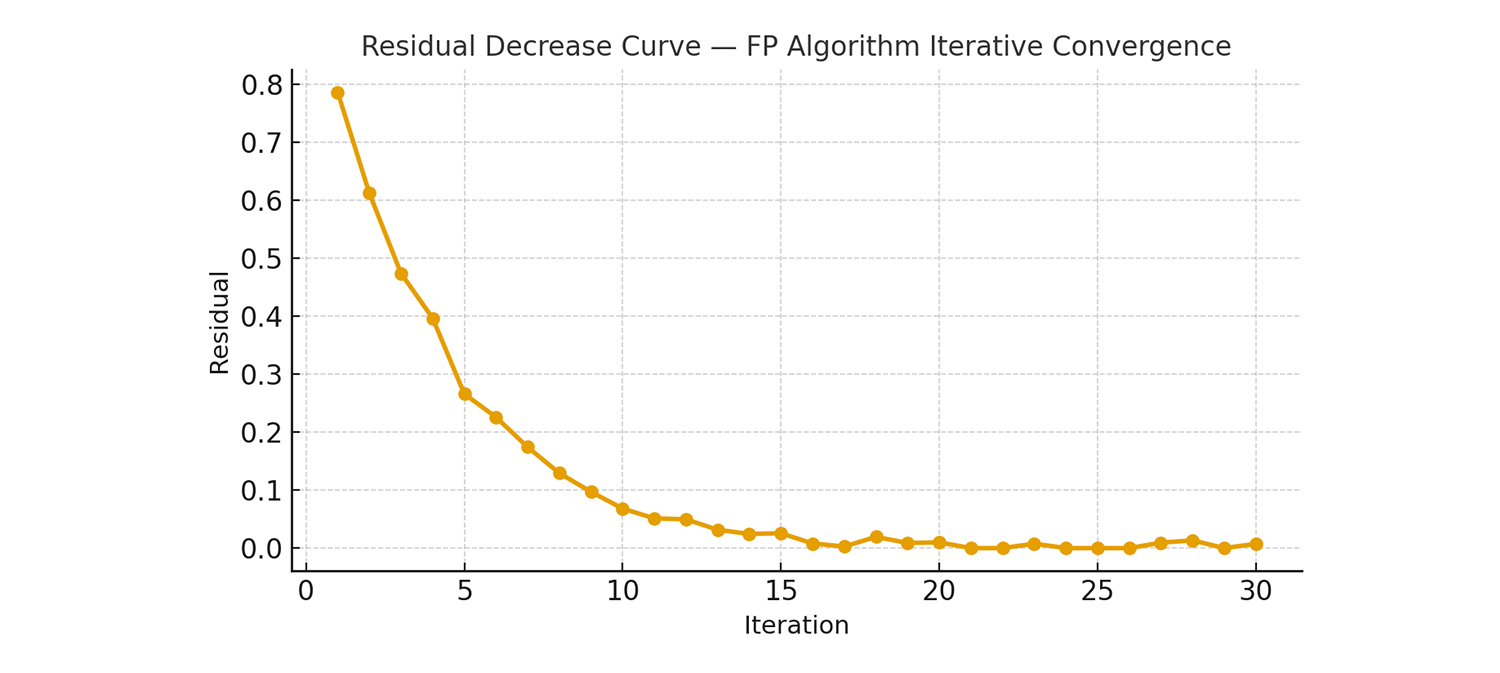
The algorithm computes a residual function — a measure of the difference between them.
Then, it adjusts parameters along the direction that minimizes the residual, much like gradient descent in machine learning.
Each iteration brings the simulated spectrum closer to the measured one.
Eventually, as the residual approaches zero, the algorithm converges — finding the most physically meaningful solution.
3. From a Physical Perspective: Teaching the Algorithm to “Understand the World”
Mathematics tells the algorithm how to approach the truth,
but physics tells it what the truth is.
Every parameter in the FP Algorithm has real physical meaning:
- Elemental fluorescence yield, absorption coefficient, density;
- The paths of X-ray penetration, reflection, and scattering within the sample;
- Detector response and energy resolution.
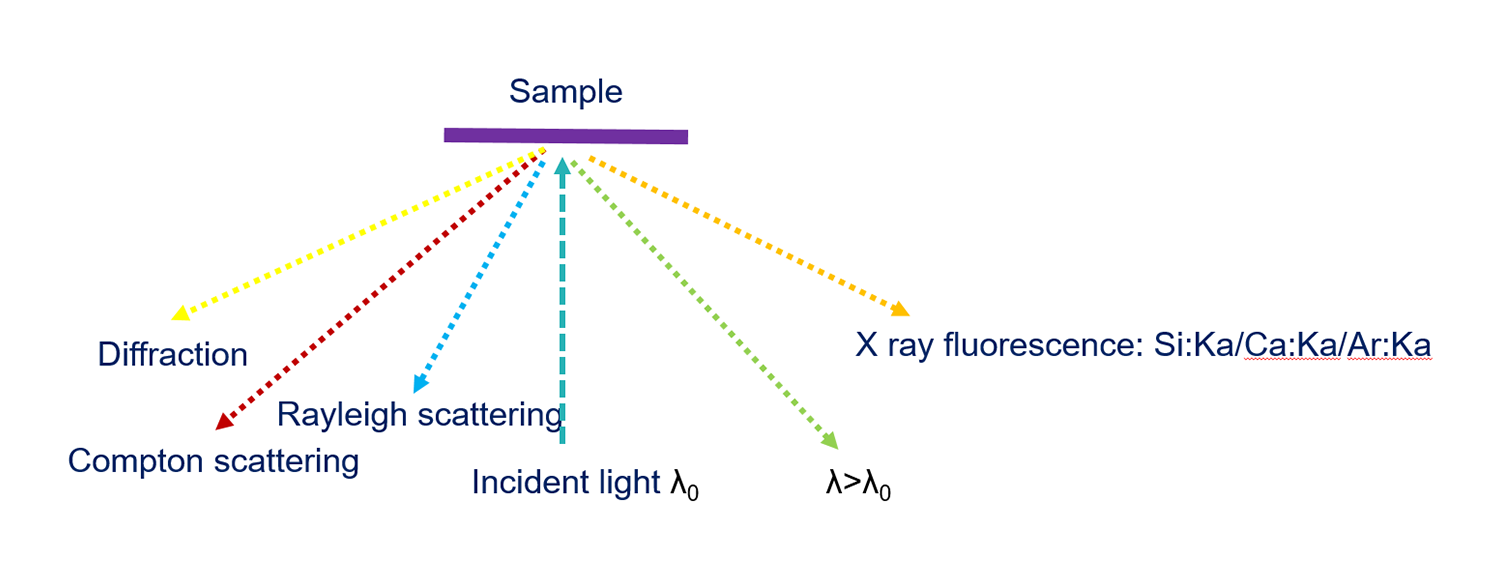
When the algorithm adjusts these parameters, it is effectively refining its understanding of the real world.
Unlike empirical algorithms that memorize outcomes, the FP algorithm reasons — “If my model of physics is slightly wrong, how should I change it?”
That’s why it maintains accuracy over time — it doesn’t rely on memory but continuously learns from physical laws themselves.
4. From an Engineering Perspective: Stability, Reliability, and Traceability
Self-calibration is not only a mathematical property; it’s an engineering advantage.
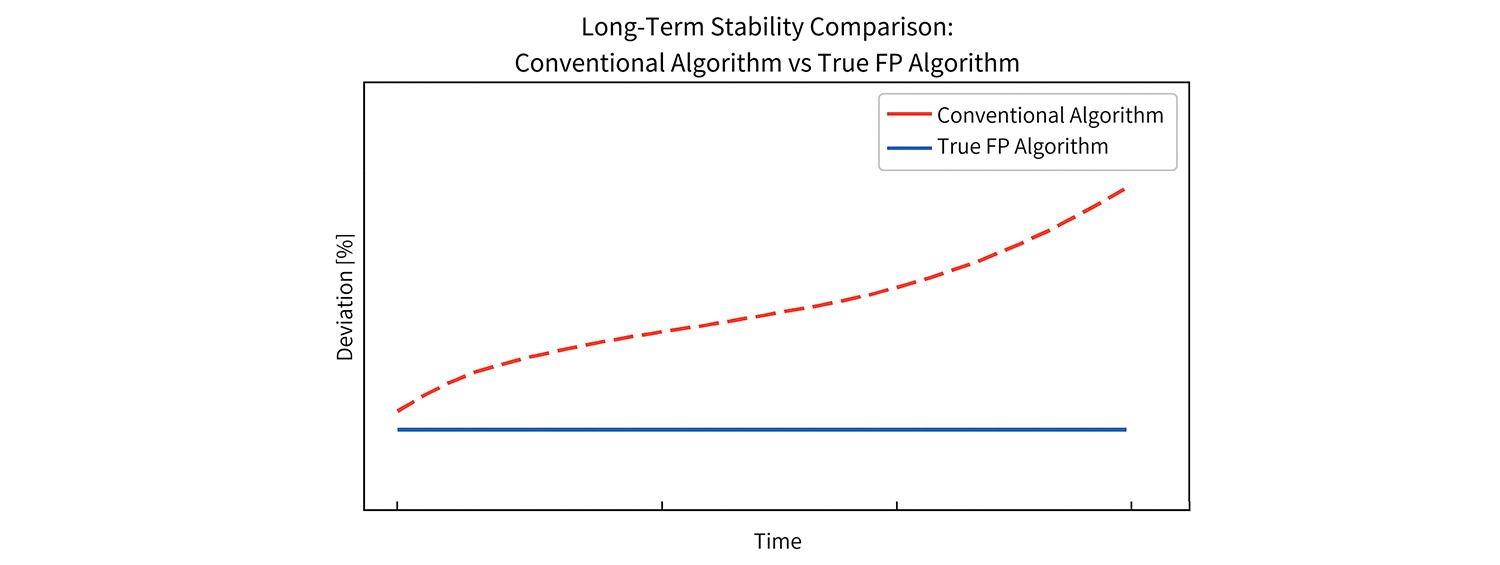
In real use, X-ray intensity may drift slightly with temperature, tube voltage, or time.
The True FP Algorithm can detect these changes automatically and re-calculate the correction factors.
Thus, even without frequent manual calibration, it remains stable and traceable over long periods.
This makes it a truly “standard-free” analytical system for jewelry inspection, coating measurement, and scientific research.
5. Conclusion
The True FP Algorithm is not a passive measurement tool — it is an intelligent system that continuously learns and refines itself.
Its self-calibration represents more than precision — it represents understanding.
It gives the instrument introspection — each calculation brings it one step closer to reality.







Email:marketing@pureray.com
Tel:+852 55655728