






“False Rhenium, Real Germanium”: A New Risk in Gold Manufacturing
2025-11-25
 3708 100
As precious metal analysis continues to demand higher precision and efficiency, the limitations of traditional Si-PIN detectors have become increasingly apparent. Fast SDD (Silicon Drift Detector) technology has set a new benchmark for high-performance XRF analyzers, delivering outstanding precision and stability.
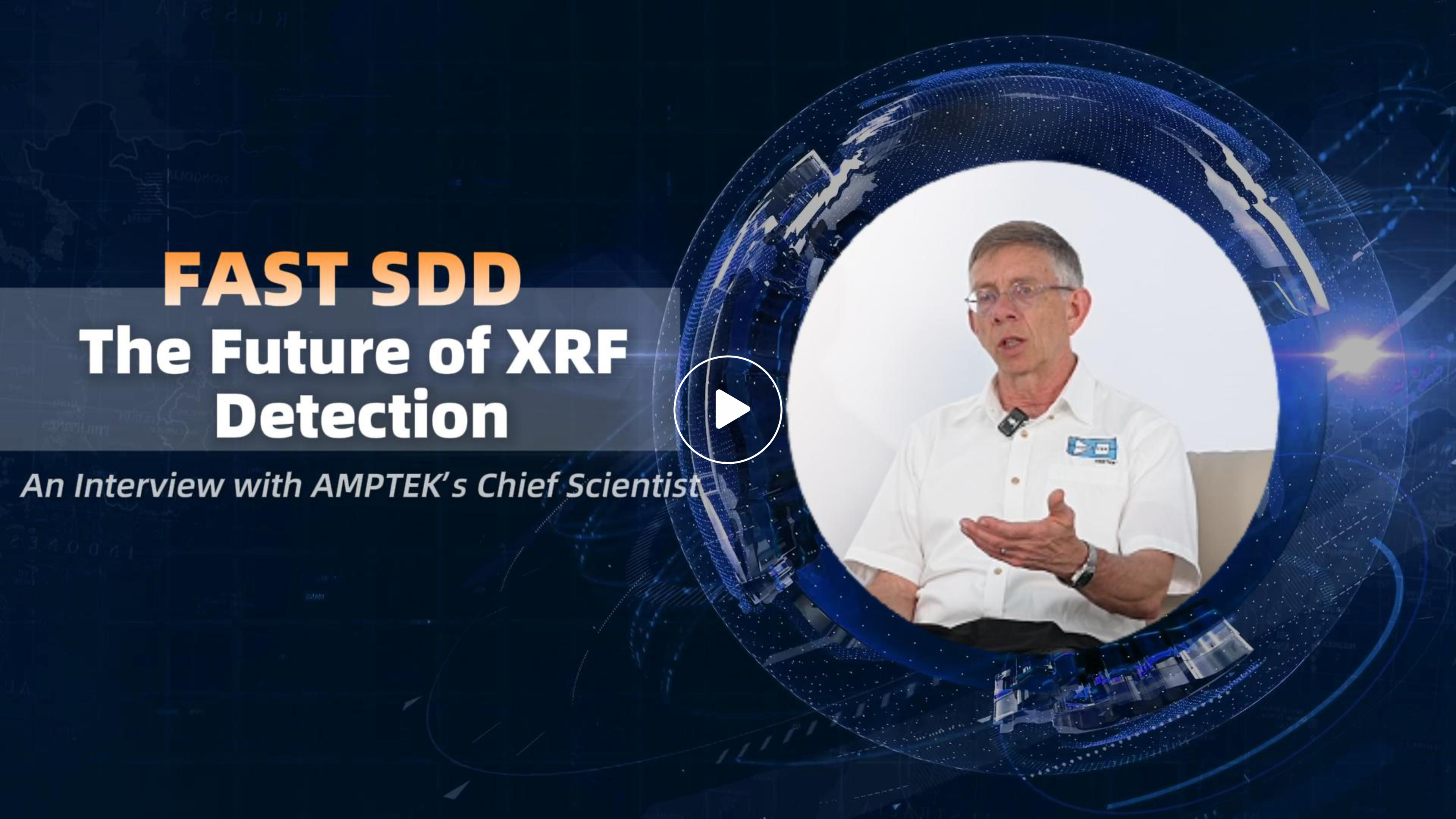
To better understand the technology behind Fast SDD, PURERAY invited Robert, Chief Scientist of AMPTEK, to discuss its key advantages, the evolution of XRF detectors, and where detector technology is heading next.
1. How Did XRF Detectors Evolve to Fast SDD?
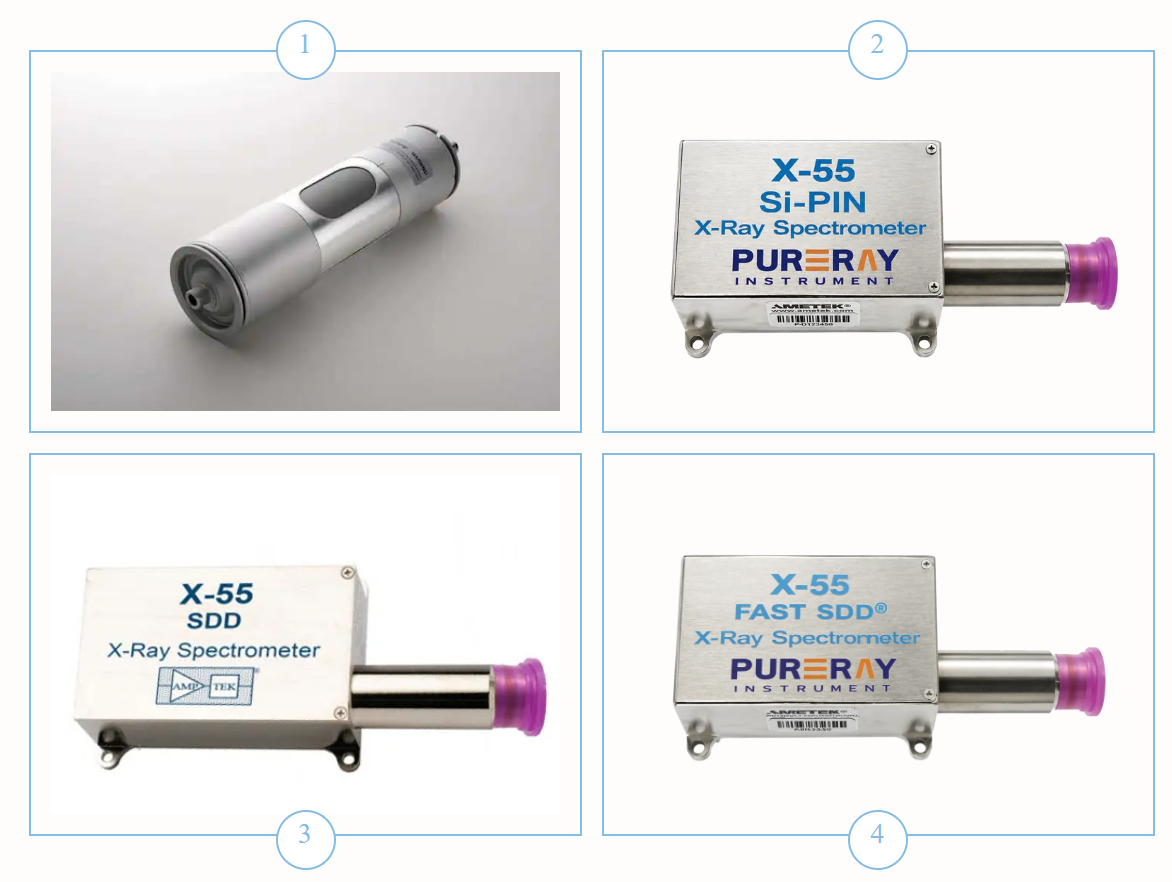
The evolution of XRF detectors has always been driven by application needs. Early XRF systems primarily relied on proportional counters, which were suitable for laboratory analysis, particularly in the mining industry. As portable XRF instruments became more widely adopted, Si-PIN detectors gradually became the industry standard, providing more stable performance for routine analytical applications.
However, high-precision precious metal analysis places much higher demands on detector performance. Complex multi-element alloys and accurate quantification of minor elements require faster analysis, better energy resolution, and stronger resistance to spectral interference. Limited by its detector structure, Si-PIN technology can suffer from increased noise, reduced resolution, and spectral distortion at high count rates, making it difficult to resolve overlapping peaks and accurately detect minor elements. As industry demands continued to evolve, Fast SDD technology was gradually adopted across the industry and gradually became the new standard in high-performance XRF analyzers.
2. The Core Advantage: Fast SDD vs. Traditional Si-PIN
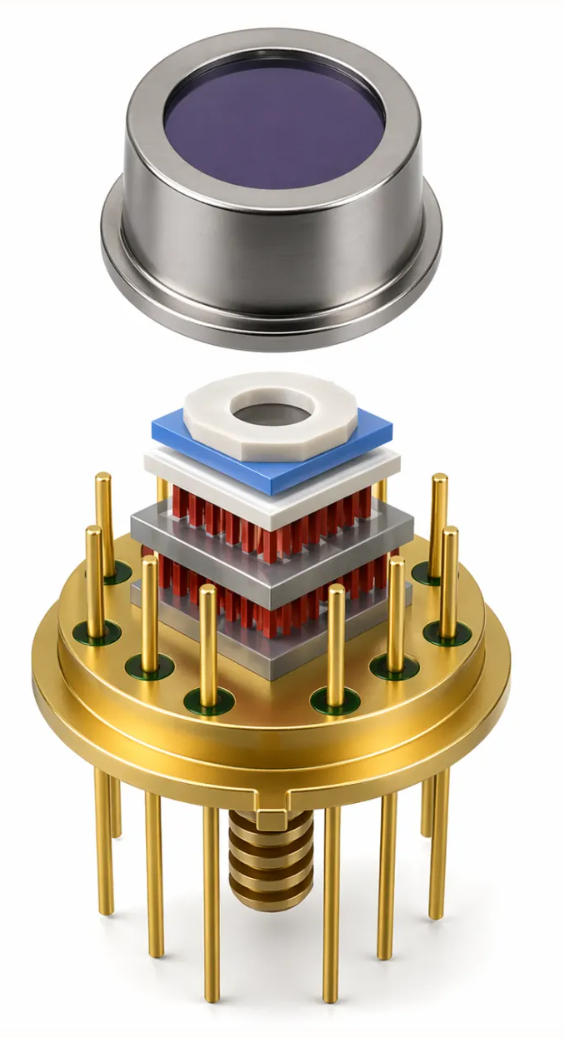
Although both Fast SDD and Si-PIN are silicon photodiodes, they differ fundamentally in detector structure. Fast SDD features an optimized electrode structure and a custom CMOS ASIC input transistor, significantly reducing noise at high frequencies and enhancing overall detector performance. Unlike Si-PIN detectors, which tend to lose accuracy during high-speed measurements, Fast SDD maintains excellent energy resolution even at high count rates.

For complex precious metal alloys containing gold, silver, platinum, and palladium, where spectral lines are closely spaced and prone to overlap, Fast SDD effectively resolves overlapping peaks, minimizing spectral interference and improving measurement accuracy. As a result, it delivers more accurate quantitative results and lower detection limits for minor elements, making it ideally suited for high-precision precious metal analysis.
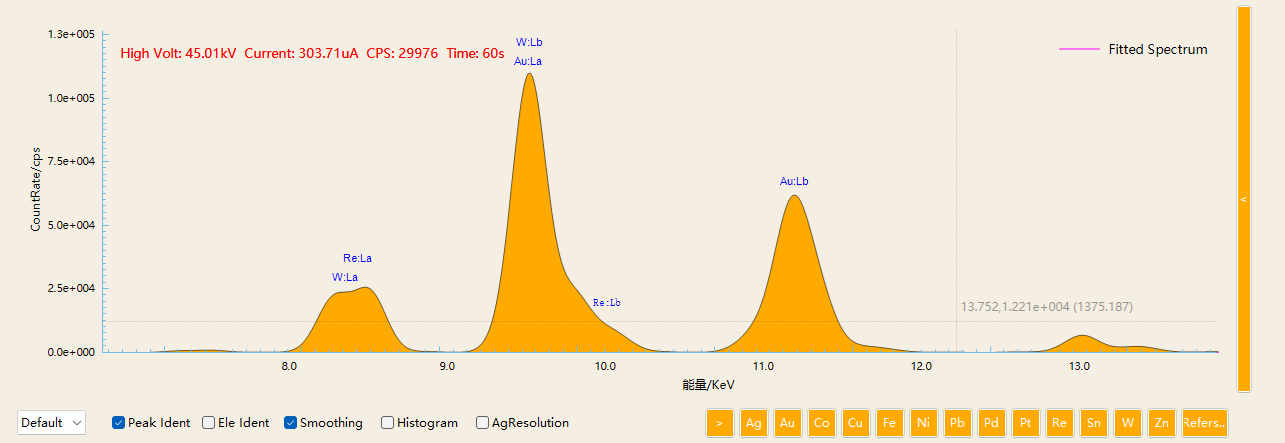
Overlapping Peaks
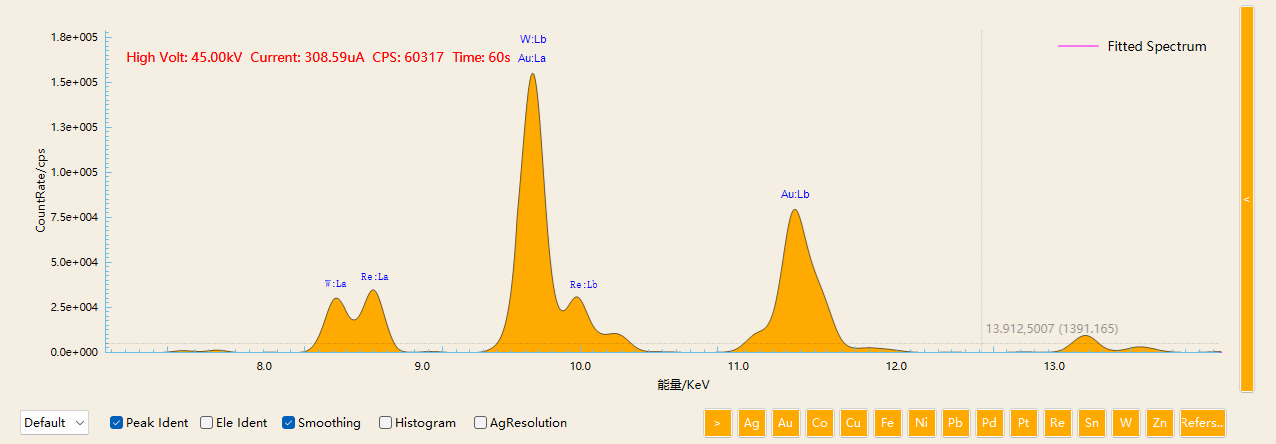
Peak Separation
3. Looking Ahead: The Future of Detector Technology
Based on current technological developments and market trends, Robert believes XRF detector technology will continue to advance in three key areas over the next five to ten years:
(1). Higher Count Rates and Greater Stability: Further improvements in signal processing will deliver higher precision and faster measurements.
(2). Lower Detection Limits for Trace Elements: Ongoing advances in detector technology will reduce background interference, improving the ability to detect minor and trace elements.
(3). Next-Generation Heavy Element Analysis : Future high-energy XRF systems are expected to enable K-line analysis of heavy elements such as gold and platinum, overcoming the spectral overlap associated with conventional L-line analysis and significantly improving measurement accuracy.
From proportional counters and Si-PIN detectors to the new generation of Fast SDD, advances in detector technology continue to drive the evolution of XRF toward higher precision and efficiency.
4. Interview with Chief Scientist of AMPTEK








Email:marketing@pureray.com
Tel:+852 55655728