






“False Rhenium, Real Germanium”: A New Risk in Gold Manufacturing
2025-11-25
 3708 136
As XRF technology becomes more widely used in precious metal testing, its applications have expanded beyond laboratory analysis to on-site testing, driving higher demands for speed, accuracy, and stability.
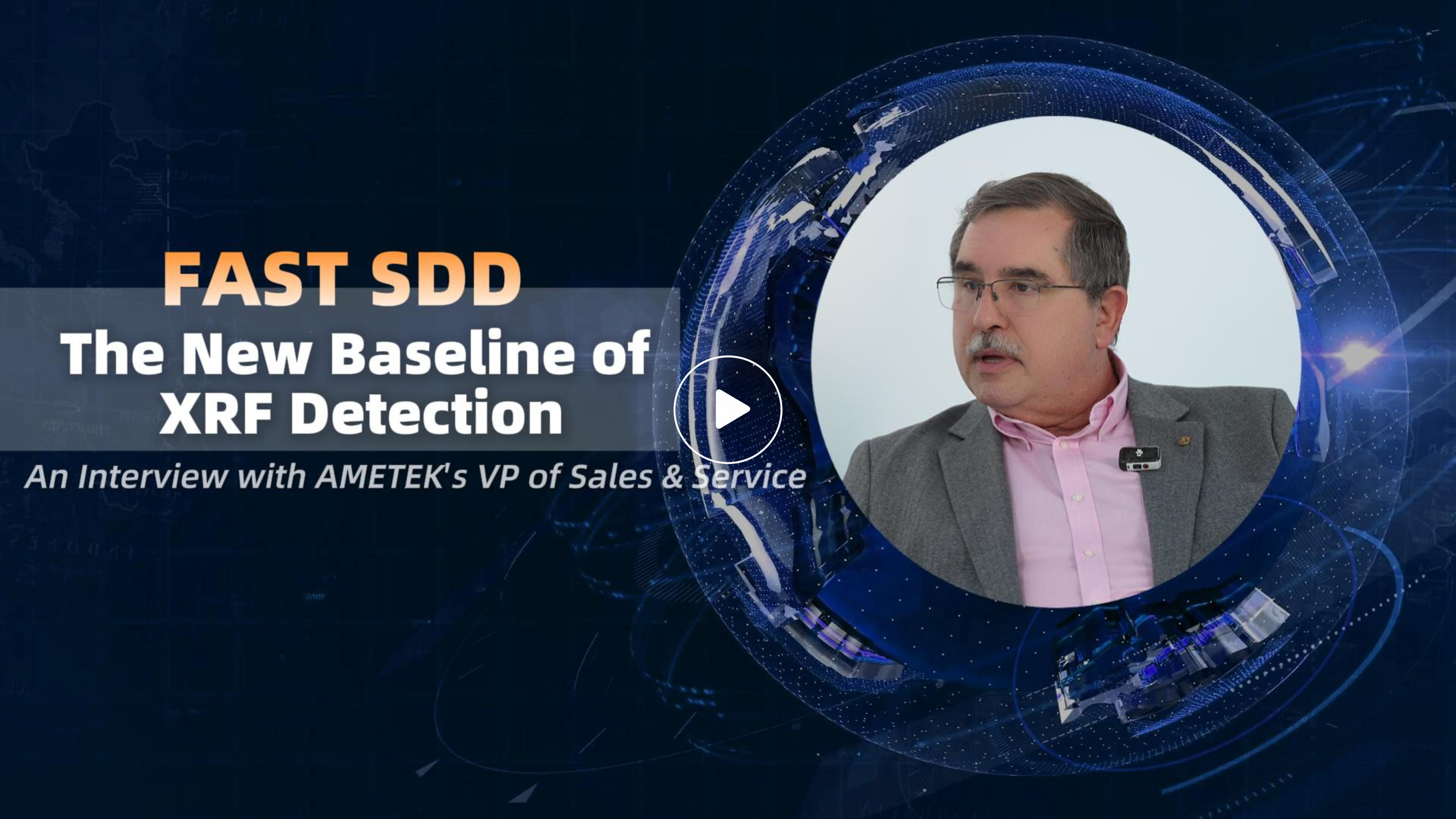
According to Mark, Vice President of Sales & Service at AMETEK, XRF is no longer just a specialized laboratory tool—it has become an essential analytical solution across a wide range of precious metal applications.
To explore these industry trends, PURERAY invited Mark to share his global perspective on the evolving role of XRF in precious metal testing, how Fast SDD technology continues to enhance XRF performance, and where the market is heading in the future.
1. Why Is Precious Metal Testing Becoming a Key Growth Area for XRF?
Demand for XRF in precious metal testing has continued to grow in recent years. In the past, XRF was primarily used for basic material identification. Today, users require more precise purity verification, trace element detection, and reliable on-site analysis within seconds.



Across different regions, market priorities vary. In North America and Europe, demand is largely driven by recycling applications and regulatory compliance. In Asia, particularly in manufacturing-intensive markets such as China and India, the focus is on production efficiency and quality assurance. In the Middle East, where precious metal trading remains highly active, confidence in test results plays a critical role in enabling trusted transactions.
Despite these regional differences, the underlying demand remains the same: faster, more accurate, and more reliable results.
These evolving requirements have made XRF an increasingly important technology for precious metal testing. At the same time, rising and volatile precious metal prices, the rapid growth of urban mining, and increasing efforts in consumer protection and fraud prevention continue to accelerate the adoption of XRF worldwide.
2. Why Is Fast SDD Key to XRF Performance?
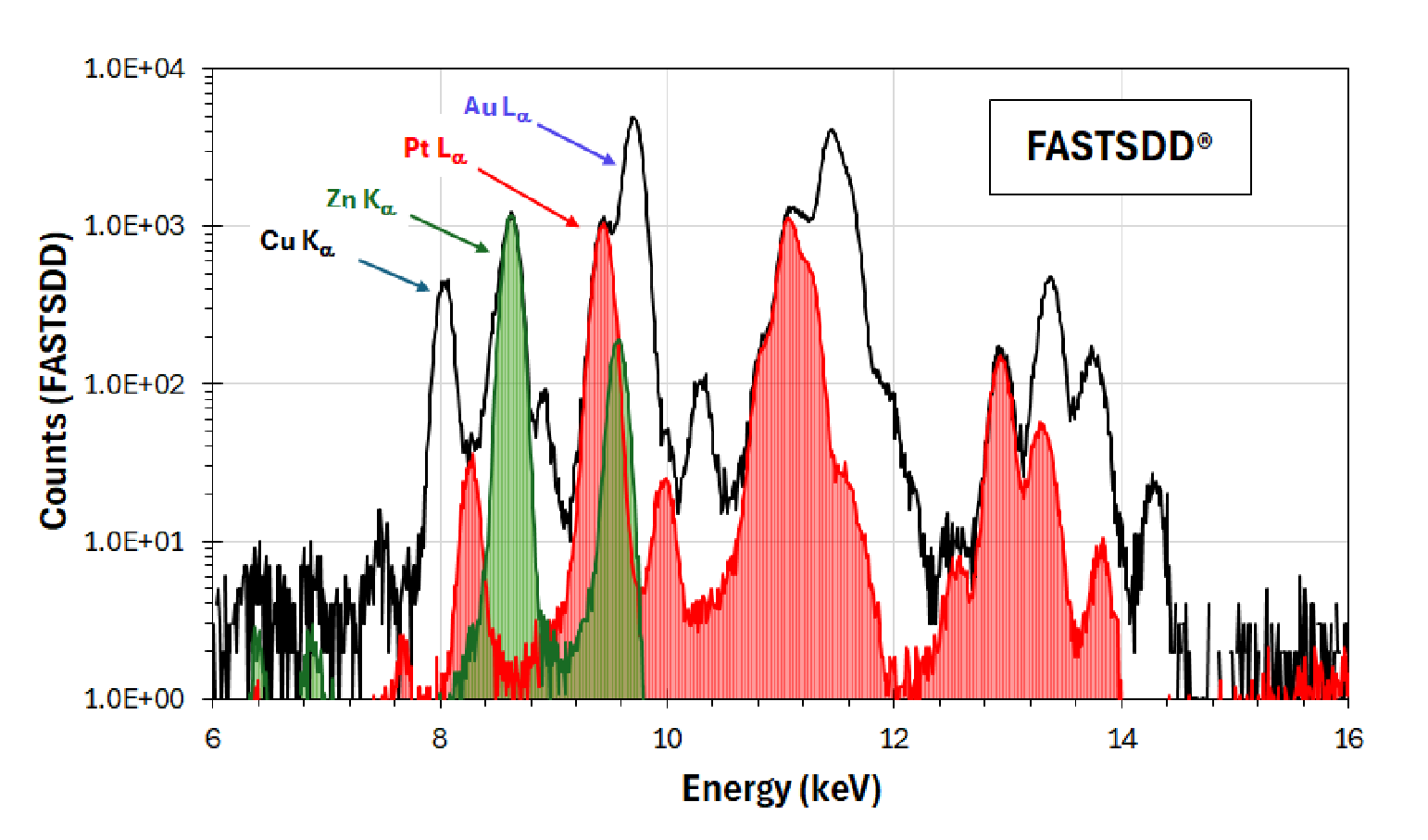
Today, users are looking beyond speed alone and placing greater emphasis on sensitivity, accuracy, and result consistency. This has raised the performance requirements for modern XRF systems.
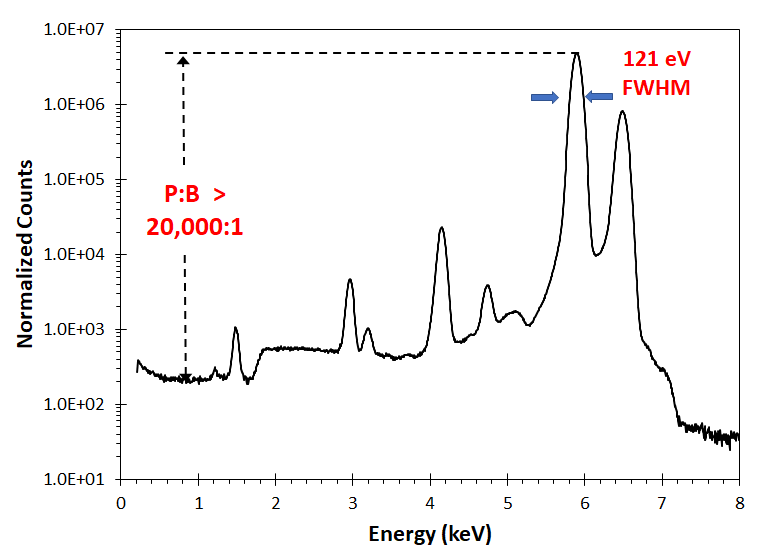
In jewelry retail, pawn shops, and recycling businesses, testing often takes place during transactions, making fast and reliable results essential. With high count-rate capability, Fast SDD can collect high-quality spectra within seconds while maintaining an excellent signal-to-noise ratio, providing enhanced analytical performance for complex samples and trace element detection.
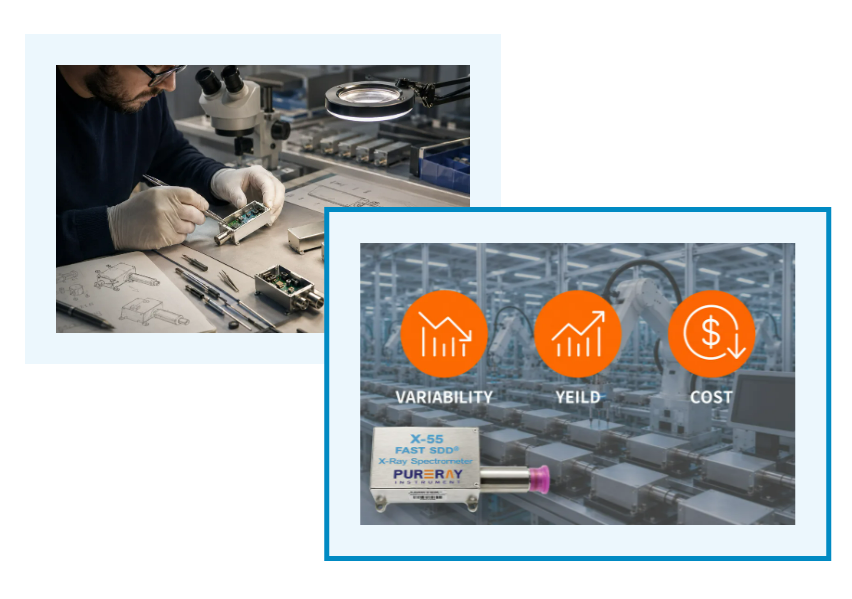
As the XRF industry continues to evolve, Fast SDD technology continues to mature. Advances in design for manufacturability, combined with automated testing and assembly processes, have improved production consistency, increased manufacturing yield, and reduced costs.
As a result, Fast SDD has evolved from a premium option into an increasingly common configuration in modern XRF systems, enabling higher efficiency, improved sensitivity, and broader application capabilities.
3. Looking Ahead: The Future of the XRF Market
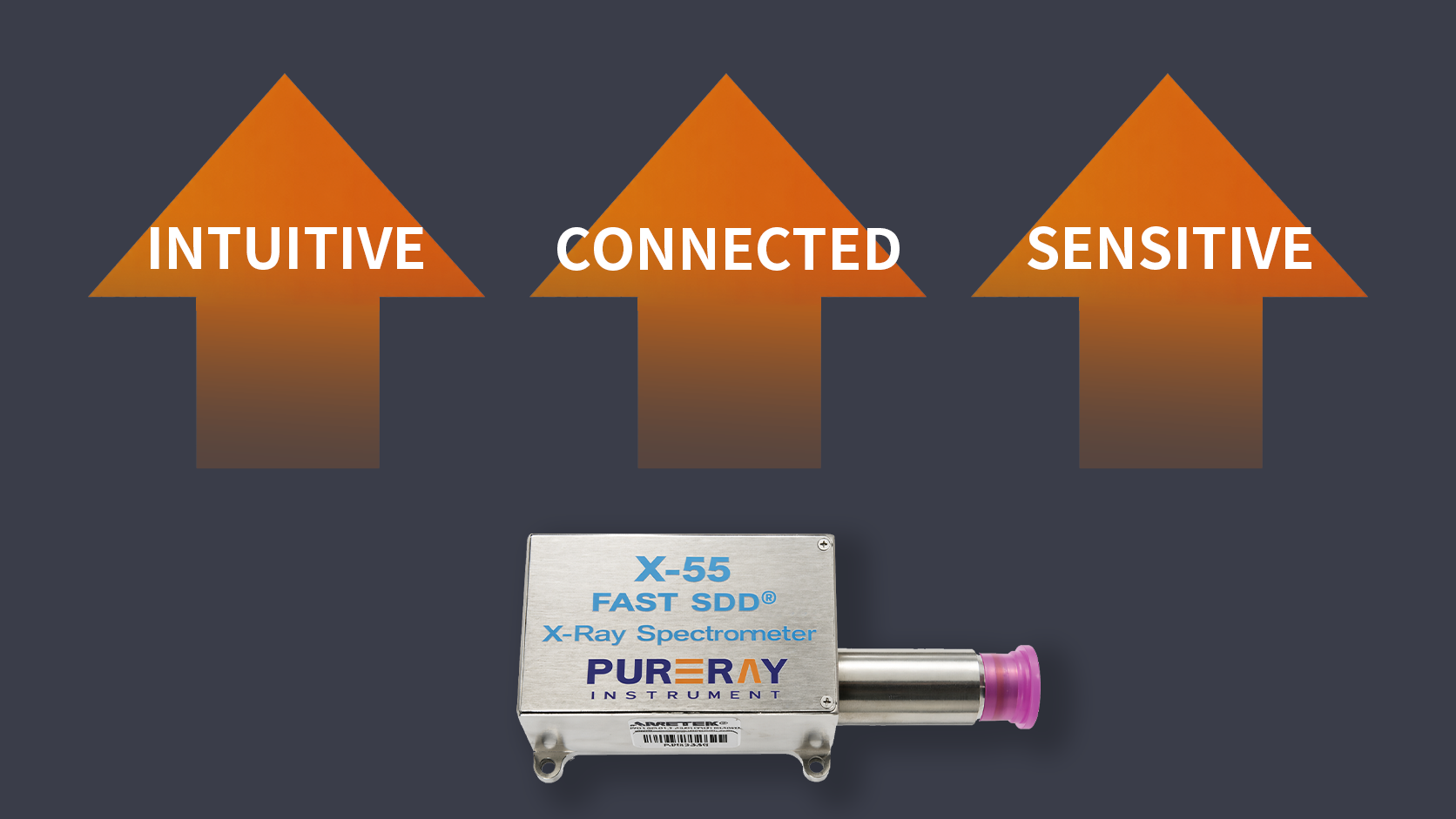
Based on current market trends and technological advancements, Mark believes that over the next five to ten years, XRF instruments will become more intuitive, more connected, and more sensitive, with deeper integration of cloud databases and AI-driven analysis.
To meet the evolving needs of the market, PURERAY will continue driving innovation in XRF analysis, delivering more efficient XRF solutions backed by professional technical support to help customers address increasingly complex precious metal testing applications.
4. Exclusive Interview with Mark, Vice President of Sales & Service at AMETEK






Email:marketing@pureray.com
Tel:+852 55655728